Learn
An 18-year-old Cat’s Struggle with Stage 4 CKD: The Story of General
An 18-year-old cat with stage 4 kidney disease gets well enough to feed himself and even use the scratcher!

Profile
- Name: General
- Birth: Mar, 2006 (Age: 18)
- Breed: Siamese
- Sex: Neutered Male
- Diagnosis: Diagnosed with Stage 4 CKD in Jan. 2024
- Treatment: Jan. 2024 ~ Present
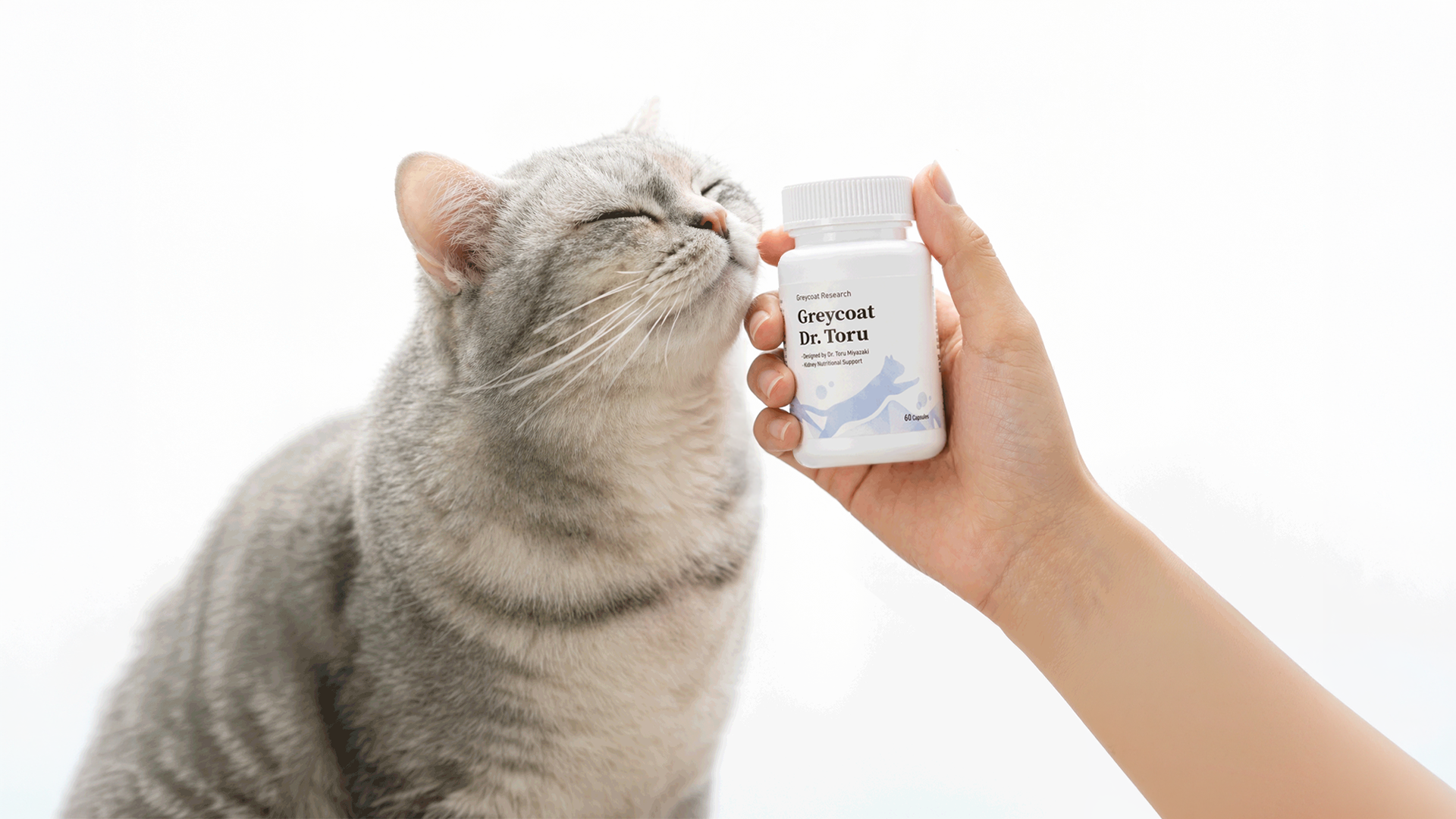
- Treatment Protocol: Greycoat Dr. Toru AIM and medicine, stem cell therapy
General's Creatinine Levels

Treatment

Stage 4 CKD Diagnosis
General is an elderly (18+ years old) male cat.
In January of 2024, General suddenly started refusing to eat, necessitating a visit to the local animal hospital.
There, General was given 3 to 4 days to live at most due to his failing health.
Many cats tend to hide their pain, which prevents their owners from realizing their cats are sick.
By the time the owners are alerted to the disease, their cats may already be in critical conditions, especially in case of kidney disease.
General was one such case.
General was then taken to an animal hospital affiliated with Greycoat Research—one specializing in the care of cats—to see if treatment was available for his health including his CKD. Even so, he was given 1 week to live at most.
His blood test results revealed that his creatinine levels were at 5.5, and he was diagnosed with Stage 4 CKD, metabolic acidosis, anemia, and dehydration. General was also incapable of feeding himself, resulting in sharp weight loss that left him at 3.3 kg. In addition, his eyes became cloudy, rendering him unable to see anything in front of him.
Treatment Process: Jan. 2024 ~ Present
General’s First Step Towards Recovery
Despite this, General was unwilling to give up on life. He retained a keen sense of curiosity even during his time in the animal hospital, and showed an interest in engaging with his veterinarian. Seeing this, his temporary caretaker became determined to help him fight. As such, General was admitted into a cat hospital and began receiving treatment in the form of medicine, supplements, and stem cell therapy.

Treatment Begins with Feeding
As General was only able to consume small amounts of food, the decision was made to insert nasogastric tubes through his nose to avoid causing him intense stress through forced feeding. Stress is one of the leading factors in causing a cat’s condition to worsen.
Fighting Against CKD
Within 2 days of hospitalization, General’s creatinine levels fell from 5.5 to 4.6, and General was allowed to leave the hospital. Within 3 days of outpatient treatment, his creatinine levels dropped even further to 3.7, and his weight increased to 3.58 kg.

The Journey Begins
Within 2 weeks of treatment, General was able to muster up the energy to eat food by himself once more. Though the nasogastric tubes prevented General from grooming himself, he was still able to eat all the food offered to him and would eagerly wait for more the next morning. By this point, his creatinine levels were at 2.7, and his weight had increased to 3.83 kg due to his restored appetite.
Miraculous Transformation
Within 3 weeks of treatment, General was able to have his nasogastric tubes removed, and his eyes became less cloudy. Prior to this point, General had difficulties walking around, but now, he was able to jump on top of tables and even groom himself. Within 4 ~ 5 weeks of treatment, General’s eyes had cleared up completely, allowing him to explore his surroundings and
Kidney care early
can make a difference for your cat.
Alongside a renal diet, add AIM-based daily care with Dr. Toru.